Is Car Subscription the Future? Is Traditional Car Ownership Disappearing?
As society evolves, so do our lifestyles and consumer habits. In recent years, car subscription services have emerged as a new form of mobility and are drawing increasing attention. This model challenges traditional car ownership and has sparked widespread discussion about whether the concept of "owning a car" might one day fade away. So, is car subscription truly the way of the future?
What Is a Car Subscription?
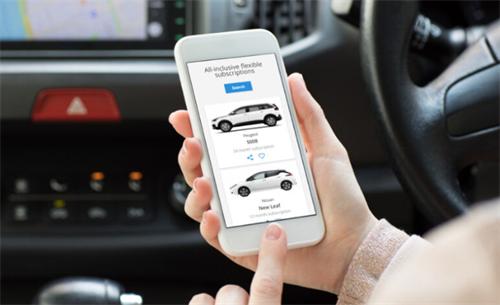
Instead of buying a vehicle, consumers pay a monthly fee that typically covers usage, insurance, maintenance, and more. Unlike purchasing or leasing, this model emphasizes convenience and flexibility—users can switch between different vehicle models based on their needs.
The key advantage of this model is that it removes the large upfront investment and long-term financial commitment associated with car buying. Subscribers simply pay a flat monthly rate to access a vehicle, and they can often upgrade or change models without additional fees.
Advantages of Car Subscription:
1. Flexibility and Convenience
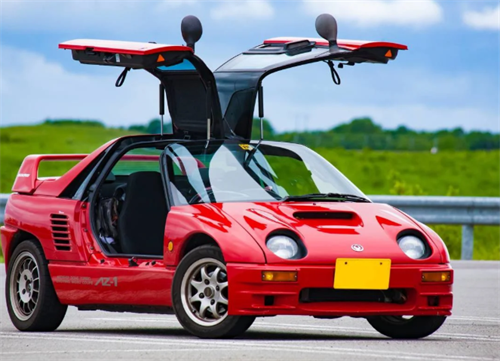
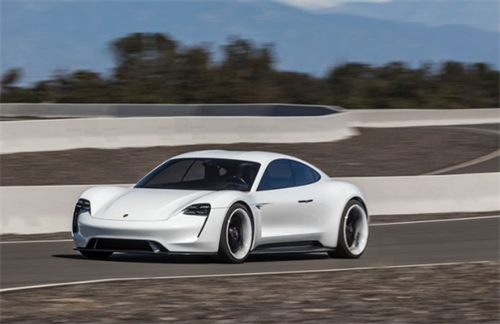
Perhaps the greatest appeal of car subscription services is their flexibility. Users can switch cars depending on their needs—whether it’s a compact sedan for daily commutes, a luxury SUV for family road trips, or a convertible for a weekend getaway. Unlike buying or traditional renting, subscription services let consumers enjoy a wide range of vehicles without being tied to a single one.
2. No Worries About Maintenance and Repairs
With car ownership comes the responsibility for upkeep. In contrast, subscription services typically bundle insurance, maintenance, and repair costs into the monthly fee. This "all-inclusive" model relieves users from unexpected repair expenses and the hassle of vehicle servicing.
3. Well-Suited for Urban Lifestyles
In an age of shared economies and smart mobility, more people—especially young professionals in urban centers—are opting for flexible mobility options over ownership. In cities where traffic congestion and limited parking are constant issues, a car subscription can be a more practical and economical solution. It reduces not only individual costs but also demand for urban infrastructure like parking.
Challenges Facing the Subscription Model:
1. Higher Cost
Although subscriptions offer comprehensive services, the monthly fees are often higher than the cost of traditional ownership over time. Many consumers may find the ongoing cost of subscribing less economical than simply buying a car, particularly for long-term use.
2. Low Market Awareness
While the car subscription model is gaining ground in markets like Europe and North America, awareness remains low in emerging markets such as China. Many consumers are still accustomed to the traditional notion of buying a car as a long-term asset. To achieve mass acceptance, providers must invest in education and marketing to shift consumer perception.
3. Limited Automaker Participation
For the subscription model to thrive, automakers must actively support it by providing a wide range of suitable vehicles. However, not all brands are on board—especially premium manufacturers, many of which still prefer conventional sales models. This limits the variety of cars available under subscription, which may impact user adoption.
Will Car Ownership Disappear?
Although car subscription services are on the rise, traditional car ownership is unlikely to disappear anytime soon. For many consumers, owning a car is not only a financial investment but also an emotional and symbolic one—a sign of independence and status.
Furthermore, subscriptions aren't for everyone. For those who value long-term ownership or dislike the idea of recurring monthly fees, buying a car remains the most viable option.
Conclusion
Car subscriptions represent a promising new direction in personal mobility and will likely become a lasting part of the automotive landscape. As more consumers—particularly younger, urban users—embrace the benefits of flexibility and convenience, this model will continue to grow alongside traditional ownership. However, the conventional model of buying a car will still play a vital role, especially for those who value ownership and long-term investment. In the future, both systems are expected to coexist and cater to different needs.