From Porsche to Tesla: The Electrification of Sports Cars
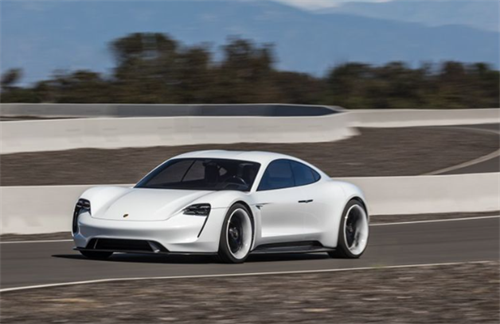
As the global automotive industry shifts toward electrification, sports cars—long associated with luxury and high performance—are also entering a new electric era. Once dominated by combustion engines, the segment is now witnessing a transformation led by iconic names like Porsche and Tesla, pushing the boundaries of innovation and redefining what it means to drive a high-performance vehicle. But how exactly has this transition unfolded, and how have brands like Porsche and Tesla helped accelerate the change?
Porsche as a Trailblazer
Porsche stands out as one of the pioneers in the electrification of sports cars. Known for its high-powered combustion-engine vehicles, Porsche recognized early on that the future of automotive performance would be shaped by sustainable energy. In 2015, the company began charting its path toward electrification, which ultimately led to the debut of the Taycan in 2019—its first all-electric sports car.
The launch of the Taycan marked a significant milestone for the brand, signaling Porsche’s full-fledged entry into the EV market. Built on an all-electric platform, the Taycan boasts a cutting-edge electric drivetrain while preserving Porsche’s legacy of superior performance, acceleration, and driving dynamics. With a 0–100 km/h time of just 2.8 seconds, it proves that electric sports cars can deliver on thrills without compromise.
Just as significantly, the Taycan dispelled the notion that electric vehicles are dull or underpowered.Along with impressive acceleration, Porsche focused on improving range and charging efficiency, boosting the car’s everyday usability. The Taycan demonstrated that EVs could not only match the performance of their gasoline counterparts but also offer enhanced practicality—paving the way for other luxury performance brands to follow suit.
Tesla’s Disruptive Path
Tesla, arguably the most influential EV manufacturer to date, has been instrumental in bringing electric sports cars into the spotlight. The brand’s very first production model, the Tesla Roadster, launched in 2008, was a bold statement: electric cars could be both environmentally friendly and exhilarating to drive.
Though early-stage in terms of technology, the original Roadster impressed with its quick acceleration, futuristic design, and respectable range. With a 0–100 km/h time of 3.7 seconds and a top speed exceeding 200 km/h, it redefined perceptions of what an electric sports car could achieve.
Tesla didn’t stop there. The company went on to release a range of high-performance vehicles—including the Model S, Model X, and Model 3—that blended speed, range, and smart technology. For example, the Model S Plaid defied expectations by accelerating from 0 to 100 km/h in under 2 seconds, ranking it among the fastest production cars in history. With innovations in software, self-driving features, and a robust Supercharger network, Tesla has shown that electric sports cars can be fast, smart, and practical all at once.
The Road Ahead for Electric Sports Cars
From Porsche’s Taycan to Tesla’s Roadster, the electrification of sports cars has already made significant strides—but this is just the beginning. As battery technology advances and materials science evolves, future electric sports cars will see improvements in range, charging times, intelligence, and overall driving experience.
Tomorrow’s electric sports cars will not only aim to outperform their predecessors but also align with stricter environmental regulations and circular manufacturing principles. As emissions standards tighten worldwide, automakers will need to integrate performance with responsibility, pushing the boundaries of both power and sustainability.
Conclusion
From the Taycan to the Roadster, the rise of electric sports cars marks a turning point in the performance car segment. These vehicles reflect both technological innovation and shifting consumer expectations. While traditional combustion-engine sports cars continue to hold a place in the market, the future is increasingly electric. As engineering and environmental priorities converge, the electric sports car is poised to become not just an alternative—but the new standard.
Recommended for you