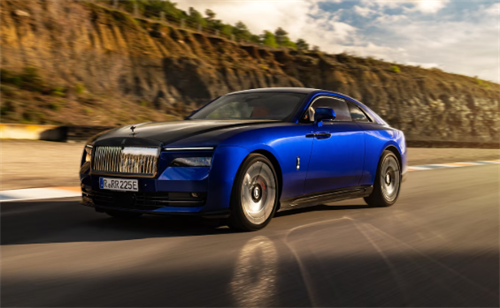
Why Does Europe Lead the World in EV Adoption?

In recent years, electric vehicles (EVs) have become a major trend in the global automotive industry. Among all regions, Europe stands out with the highest EV penetration rate. As of 2023, over 20% of new car sales in Europe were electric—far surpassing figures in other parts of the world. What factors are propelling Europe to the forefront of the EV revolution?
Policy Support: From Government Incentives to Legislative Mandates
One of the main reasons behind Europe’s EV leadership is strong policy support. Government-driven initiatives have been central to accelerating EV adoption. To meet emissions reduction targets, European governments have introduced generous incentives such as purchase subsidies, exemptions from registration fees, and reductions in road taxes. These policies have significantly lowered the cost of ownership and spurred consumer interest in EVs.
Moreover, stringent environmental regulations have further advanced the shift. For example, the EU’s “Green Deal” aims to phase out the sale of new vehicles with internal combustion engines by 2035. Such clear timelines provide long-term certainty for consumers and automakers alike. Countries like Germany, France, and Norway have been especially aggressive with financial and policy support, becoming key engines behind the continent’s EV boom.
Market Demand: Eco-Conscious Consumers and the Allure of New Technology
European consumers tend to be highly aware of environmental issues. With growing concern over climate change, many Europeans view vehicle emissions as a serious problem. In wealthier Western European countries, buyers are more willing to choose electric vehicles—not just to reduce their carbon footprint, but also to contribute to better air quality and healthier cities.
In parallel, advances in EV technology—such as improvements in battery performance, driving range, and charging speed—have made electric cars more appealing. Today’s EVs offer not only environmental benefits, but also a modern driving experience with sleek design and smart features, further driving demand.
Infrastructure: Widespread and Convenient Charging Networks
EV growth is inseparable from charging infrastructure—and in this regard, Europe again leads the way. National governments and private companies have invested heavily in building public charging stations, particularly in cities and along major highways. As of now, Europe has installed over 500,000 public chargers, far outpacing most other regions.
In addition, many European cities have integrated EVs into public transportation systems and car-sharing services. With EV taxis, rentals, and ride-sharing platforms on the rise, consumers enjoy more convenience than ever—whether owning or temporarily using electric vehicles. The result is a more EV-friendly ecosystem that further boosts consumer confidence.
Environmental Values and Global Leadership:
Europe’s high EV adoption is also rooted in its deep environmental consciousness. Across the continent, governments and citizens alike prioritize sustainability and understand the urgent need to tackle climate change. In this context, EV development is not only about energy strategy—it’s also a moral and environmental imperative.
European automakers have also made massive investments in innovation. Alongside pioneers like Tesla, traditional giants such as Volkswagen, BMW, and Mercedes-Benz are heavily committed to electric mobility, accelerating technological progress and reinforcing Europe’s leadership in the global EV industry.
Conclusion
While Europe holds a clear lead in EV penetration, challenges remain. The industry still faces issues such as raw material supply for batteries, recycling, and long-term safety. Going forward, Europe’s ability to ensure the sustainable development of the EV sector—and to stay ahead amid increasing global competition—will be crucial to maintaining its position as a leader in green mobility.
Recommended for you