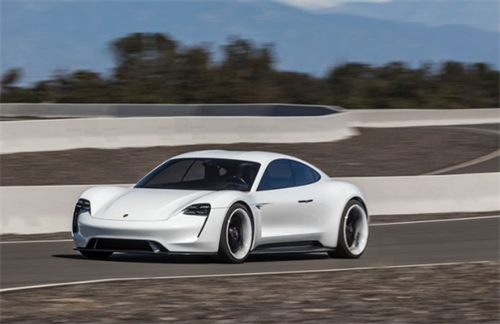
Electric Cars Once Dominated Early 1900s America — 38% of All Vehicles Were Electric
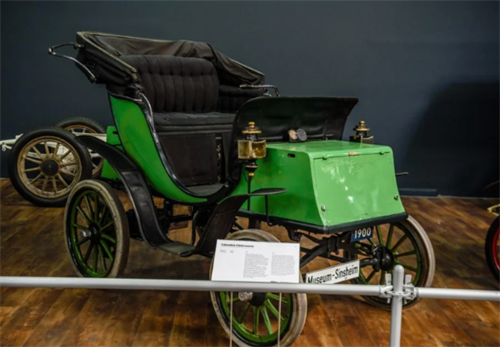
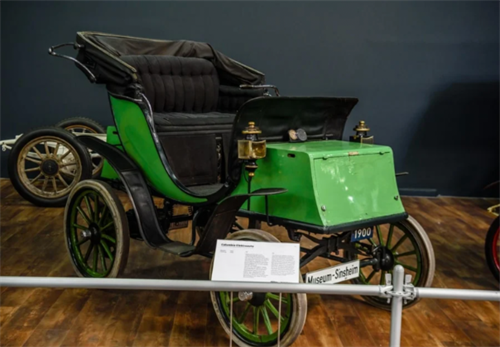
Today, electric vehicles (EVs) are at the forefront of the global automotive industry, with major carmakers investing heavily in EV research and development. However, what many people don’t realize is that electric cars are not a modern invention. Surprisingly, around the early 1900s, electric vehicles enjoyed widespread popularity in the United States and actually led the automotive market in terms of market share. In 1900 alone, electric cars made up 38% of all vehicles in the U.S. — a historic milestone that reflects their early popularity and technological promise.
The Rise of Electric Vehicles: A Golden Era in the Late 19th Century
The emergence of electric cars in the late 1800s and early 1900s marked a major breakthrough in automotive history. These early EVs were powered by the most advanced battery technology of the time — the lead-acid battery. Compared to gasoline-powered vehicles, electric cars offered several clear advantages.
For one, they were much quieter, avoiding the loud and unpleasant noise of internal combustion engines, and provided a smoother driving experience. They were also far easier to operate, requiring little mechanical knowledge, which made them especially appealing to women and older drivers.
Moreover, given the poor road conditions in many American cities at the time, electric vehicles proved to be more reliable and stable — ideal for urban transportation. They didn’t require frequent refueling or complicated maintenance. Instead, they simply needed to be recharged, aligning well with the era’s growing demand for convenient, low-effort mobility.
The Peak of Electric Vehicles in 1900:
By the year 1900, electric vehicles had reached their peak in the U.S. market. Production and sales were steadily climbing, and in cities like New York and Boston, EVs accounted for nearly 40% of all vehicles on the road. These electric cars featured elegant designs, luxurious interiors, and battery systems that offered a range of 30 to 40 miles (approximately 48 to 64 kilometers) — more than sufficient for the daily needs of city dwellers.
One of the most notable EV manufacturers of the time was the Morris Electric Car Company, founded by William Morris. Their electric carriages and sedans became wildly popular among the upper class. A surge of startups joined the electric vehicle industry, fueling a period of rapid innovation and expanding the variety of options available in the market.
The Rise of Gasoline Cars and the Decline of Electric Vehicles:
Despite their early success, electric vehicles began to lose ground with the rapid rise of gasoline-powered cars. Gasoline vehicles offered longer driving ranges, faster “refueling” times, and lower production costs. In 1893, Henry Ford founded the Ford Motor Company and introduced the Model T — a revolutionary, affordable gasoline car that quickly gained mass market appeal.
At the same time, the growth of the oil industry further fueled the expansion of internal combustion vehicles. Gasoline was cheap and readily available, while electric vehicles faced high battery costs and lacked widespread charging infrastructure. As gasoline vehicle technology continued to improve, electric cars slowly lost prominence and had all but vanished from the market by the mid-1900s.
The Revival of Electric Vehicles: Powered by Modern Technology
Though electric cars were eclipsed by internal combustion vehicles for decades, their story didn’t end there. In recent years, growing environmental awareness and concerns over dwindling oil reserves have paved the way for an EV resurgence. Breakthroughs in battery technology and expanded charging networks have significantly improved EV range and affordability, making them an increasingly attractive option for everyday consumers.
Today, companies like Tesla and BYD are leading the global push for electric mobility. The EV market continues to expand worldwide, supported by government policies that encourage adoption. Whether it's reducing carbon emissions, conserving energy, or improving urban transportation efficiency, electric vehicles are proving to be a transformative force in the modern auto industry.