The Hidden Secret of the Fuel Gauge Arrow: It Shows Which Side Your Gas Cap Is On
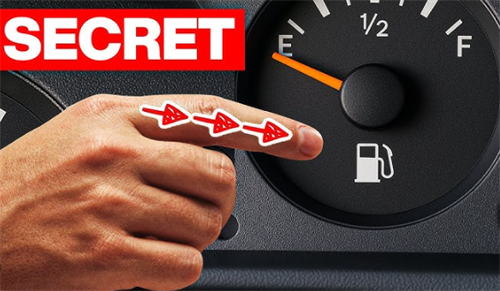
During everyday driving, you may have noticed a small arrow icon on your car’s dashboard, usually next to the fuel gauge. While easy to overlook, this subtle symbol actually serves a highly practical purpose — it tells you which side of the car the fuel cap is on. Though simple in design, this feature proves incredibly useful, especially for drivers unfamiliar with a vehicle.
The Origin of the Fuel Gauge Arrow:
Not all drivers are aware of what this little arrow means. Many assume it’s just a decorative element, unaware of its functionality. In fact, the small arrow beside the fuel pump symbol on the dashboard tells you which side of the car the gas cap is on.
The design dates back to the 1990s, when automakers began incorporating more user-friendly cues into vehicle dashboards to enhance the driving experience. Before this, drivers often found themselves at gas stations guessing — or having to get out and check — which side the fuel cap was on. The arrow provided a simple yet effective solution to that common frustration.
How to Read It?
The arrow’s direction is straightforward:An arrow pointing left means the fuel door is on the left side of the vehicle, while one pointing right means it’s on the right.
This icon aligns with the vehicle’s fuel system design and makes refueling more convenient — particularly for new drivers, rental car users, or those who have recently switched vehicles. Instead of circling the car at the pump, a quick glance at the dashboard reveals exactly where the fuel door is located.
Why This Tiny Arrow Matters?
Though small, the arrow’s inclusion reflects thoughtful automotive engineering. Car manufacturers consider many factors — including vehicle layout, fuel tank position, and driver habits — when deciding where to place the fuel cap. The arrow helps improve efficiency and convenience, saving drivers time and preventing misalignment at gas stations.
This feature is especially handy for people who drive multiple vehicles or share cars with others. With just one look, they can identify the fuel side and avoid confusion or delays.
More Than Just a Fuel Guide:
While the arrow's main function is to point to the gas cap, its purpose goes beyond convenience. It plays a part in safe and efficient driving, helping drivers avoid unnecessary movement or fuel-related mistakes, especially in tight or unfamiliar refueling environments.
By allowing you to approach the gas pump correctly the first time, the arrow minimizes errors, improves traffic flow at gas stations, and helps prevent problems like stretching fuel hoses too far — which can damage your car or the pump.
A Symbol of Intelligent Design:
This tiny icon reflects a broader philosophy in automotive design: that even the smallest features should enhance usability.
Today’s cars increasingly rely on digital dashboards and smart systems to communicate with drivers. The fuel arrow — though analog — fits into this shift toward intuitive design that reduces the mental load on the driver.
The Future: Smarter Fueling Guidance?
With the rise of electric vehicles (EVs) and smart car technology, the humble dashboard arrow may eventually evolve. In the future, drivers might not need physical indicators at all — instead, digital systems or mobile apps could provide real-time guidance, showing which side charging or fueling ports are on, their status, and even how full they are.
As wireless connectivity and AI advance, fuel and charging logistics will become even more integrated into the overall driving experience, making today's arrow just one step in a much larger evolution of driver interaction.
In Summary
That tiny arrow next to your fuel gauge might not seem important — but it's a brilliant, practical feature that saves time, reduces hassle, and enhances the everyday driving experience. Whether you’re in a rental, a new car, or simply forgetful on a busy day, it’s a small touch that quietly makes a big difference.
Recommended for you