Where Should You Keep Your Car Fire Extinguisher? Under the Seat vs. In the Trunk
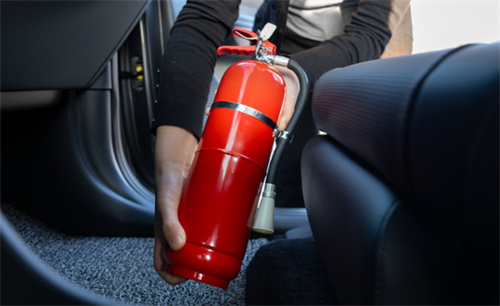
A car fire extinguisher is an essential piece of safety equipment every driver should carry. It provides critical first-response fire protection, potentially minimizing property damage and even saving lives. However, many drivers overlook a key detail—where to store the extinguisher for maximum effectiveness. So, which is better: under the seat or in the trunk?
Pros and Cons of Placing the Extinguisher Under the Seat:
Pros:
1. Quick and Easy Access
Keeping the extinguisher under the driver’s seat means it’s within arm’s reach. In the event of a fire while driving, it can be retrieved quickly—much faster than accessing one from the trunk. Early action is crucial to prevent the fire from spreading.
2. Convenient in Emergencies
In urgent situations, having the extinguisher under the seat means you don’t need to exit the vehicle or navigate around obstacles. This is especially useful for tackling small fires, like an electrical fire under the hood.
3. Minimizes Delay
Since you can access it without stopping or getting out of the car, this setup can reduce response time and avoid the need to stop in hazardous locations.
Cons:
1. Limited Space
Under-seat space is already tight—particularly in compact or hatchback vehicles. Placing a fire extinguisher there might interfere with seat adjustments or add clutter.
2. Potential Interference While Driving
If the extinguisher isn’t securely fastened, it may shift or get in the way, especially during sharp turns or seat movements. This can be distracting or uncomfortable while driving.
Pros and Cons of Storing the Extinguisher in the Trunk:
Pros:
1. No Interior Interference
Storing the extinguisher in the trunk frees up cabin space and helps maintain a tidy interior. It's a good option for drivers who carry lots of gear or prefer an uncluttered environment.
2. No Driving Disruption
With the extinguisher out of reach from the driver's seat, there’s no risk of it getting in the way during normal operation or seat adjustments.
Cons:
1. Slower to Access in Emergencies
The biggest drawback: you have to park, get out, and open the trunk to retrieve it. That wastes valuable time—especially if the fire is rapidly spreading.
2. Not Suitable for All Situations
If a fire starts in the engine bay or front cabin, and the extinguisher is in the trunk, you’ll have no way to reach it without exiting the vehicle—potentially putting yourself at greater risk.
3. Risk of Water Damage
In extreme conditions like flooding or a rollover, the trunk may be submerged or inaccessible. This can render the extinguisher unusable when it’s needed most.
How to Choose the Best Location for Your Extinguisher?
1. Prioritize Fast Response
If you often drive in urban areas or on busy highways, storing the extinguisher under the seat is recommended. It ensures you can respond quickly to a fire without delay.
2. Balance with Space Needs
If maximizing cabin space is more important to you—or your vehicle has limited interior room—storing it in the trunk may make more sense. Just make sure it’s securely mounted and the trunk can be opened easily in an emergency.
3. Consider Your Vehicle Type and Risk Level
Different vehicles carry different fire risks. If your car has a high engine operating temperature (like performance cars), it’s wise to keep the extinguisher within reach. For SUVs or larger vehicles with roomy trunks, placing it in the rear may be less of a compromise.
Conclusion
There’s no one-size-fits-all answer to where you should store your car fire extinguisher. It ultimately depends on your driving habits, space constraints, and vehicle type. That said, placing it under the seat is generally the better option for faster emergency response. Whichever location you choose, be sure to regularly inspect your extinguisher to ensure it's in good working order—because in a real emergency, every second counts.
Recommended for you