Why Are Americans So Fond of Pickup Trucks? A Look at Global Vehicle Preferences
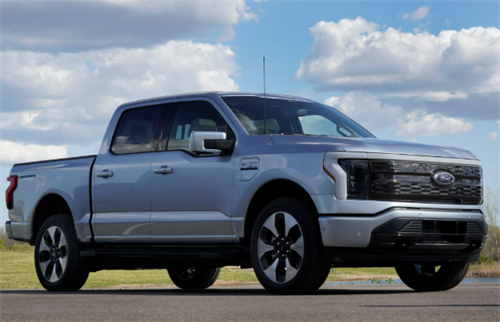
Among the many types of vehicles on the road, pickup trucks hold a uniquely significant place in the United States. Statistics show that the U.S. has one of the highest pickup ownership rates in the world — in many regions, pickups are even the vehicle of choice for households. So, what fuels Americans’ deep-rooted love for pickups?
Why Americans Love Pickup Trucks?
1. Historical Roots and Cultural Legacy
Pickup trucks have been part of American life for over a century. Originally designed for farm work in the early 1900s, they became essential tools during the nation’s westward expansion and rural development. With their rugged utility and durability, pickups met the demands of rural life and the country’s vast, open terrain. Over time, they evolved from work vehicles into cultural icons that reflect core American values like freedom, independence, and adventure.
2. Practicality and Versatility
The practicality of pickups fits well with the U.S.’s sprawling geography. Many regions, especially rural or suburban areas, face rough terrain and long driving distances — conditions where pickups thrive. Their large cargo beds, strong towing capacity, and off-road capabilities make them ideal for tasks ranging from moving furniture and hauling tools to camping and recreational use. This versatility is a major reason they’re embraced not only by tradespeople but also by families.
3. Affordability and Fuel Costs
Compared to luxury sedans or imported vehicles, pickups are often considered good value for money. Many offer powerful engines, spacious interiors, and advanced features at relatively accessible prices. Additionally, lower fuel prices in the U.S. make it easier to justify owning a larger, less fuel-efficient vehicle. Their long-lasting durability and high resale value also make pickups an economically sound choice.
4. Status Symbol and Identity
In many parts of the U.S., especially the Midwest and South, owning a high-end pickup like a Ford F-Series or Chevrolet Silverado isn't just practical — it’s a status symbol. For some, it’s an extension of personal identity, reflecting strength, reliability, and a no-nonsense attitude. Driving a pickup can convey pride in one's lifestyle or profession, and in many communities, it’s a way to connect with cultural roots.
Car Preferences Around the World:
1. Europe: Compact and Efficient
In contrast to the U.S., European drivers tend to favor small, efficient vehicles. With narrow streets, limited parking, and a strong environmental consciousness, compact cars like the Volkswagen Golf or Fiat 500 dominate the roads. High fuel prices and strict emissions regulations have also driven the rise of electric and hybrid vehicles in urban centers.
2. China: Sedans and SUVs for Growing Families
China’s booming middle class and rapid urbanization have made sedans and SUVs the top choices for families. Consumers value convenience, interior space, and modern tech features for city commuting and family trips. While pickups exist, they’re typically limited to commercial use or rural areas.
3. Japan: Microcars Rule the Roads
Japan’s cities are famously dense, with limited road and parking space — perfect conditions for kei cars (microcars) and other small vehicles. Brands like Honda, Toyota, and Suzuki produce compact models with low emissions and excellent fuel economy, aligning with Japan’s commitment to efficiency and sustainability.
4. Australia: Tough Trucks for a Rugged Land
Like the U.S., Australia has vast landscapes and a strong demand for vehicles that can handle tough terrain. Four-wheel-drive trucks and pickups are particularly popular for navigating remote, unpaved roads. They’re widely used in agriculture, mining, and other labor-intensive industries, but are also a common sight in suburban driveways.
Conclusion
Americans’ love for pickup trucks is deeply tied to their history, geography, and cultural values. While practicality plays a major role, pickups also symbolize freedom, hard work, and individuality. In contrast, other countries prioritize different vehicle types based on their own unique circumstances — whether it’s Europe’s compact cars, China’s family sedans, or Japan’s microcars. These differences reveal how vehicles not only serve transportation needs but also reflect each society’s lifestyle, infrastructure, and identity.
Recommended for you