Engine Temperature Warning? Don’t Turn Off the Engine! Idle Cooling + Warm Water Method to Prevent Engine Damage
It's not uncommon to encounter an engine temperature warning while driving—especially during the summer or under heavy loads. When engine temperature rises rapidly, many drivers instinctively pull over and turn off the engine. However, doing so might actually make the situation worse.
Common Causes of Engine Overheating Warnings:
1. Low coolant level: If the coolant in the radiator is below the required level, it won’t absorb and carry away engine heat effectively.
2. Water pump failure: A malfunctioning water pump disrupts coolant circulation, leading to overheating.
3. Clogged radiator: Dust, debris, or grime can block the radiator, reducing its cooling efficiency and causing high water temperature.
4. Thermostat issues: A stuck thermostat can prevent proper coolant flow, increasing engine temperature.
5. Challenging driving conditions: Long drives under high heat or heavy load can push the engine beyond its thermal limits.
When an engine temperature warning appears, stay calm and do not immediately shut off the engine.
Why You Shouldn’t Turn Off the Engine Right Away?
When the engine is overheating, turning it off might seem like the logical thing to do—but it’s actually risky. Once the engine is off, the coolant circulation stops, and residual heat gets trapped inside the engine block. This can lead to even higher internal temperatures. In modern engines—especially those with aluminum blocks—this heat buildup can cause warping or even a cracked engine block (commonly referred to as a “blown engine”).
The correct approach is to let the engine idle, which keeps the cooling system running and allows the heat to dissipate gradually.
How to Cool the Engine by Idling?
1. Pull over safely and leave the engine running: Keep the engine idling to allow coolant to continue circulating. This helps carry heat away from the engine components.
2. Turn on the heater: Activating the vehicle’s heater can help draw heat away from the engine by transferring it to the cabin.
3. Drive slowly if necessary: If safe and conditions allow, driving at low speeds can enhance airflow through the radiator and help cooling.
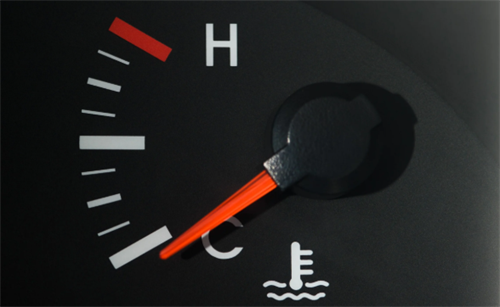
4. Monitor the temperature gauge: Keep an eye on the temperature gauge—if the needle begins to move down, it means the engine is starting to cool.
5. Check coolant levels: If the temperature remains high, check the radiator or coolant reservoir (once it’s safe) to ensure there's enough coolant.
How to Use Warm Water for Emergency Cooling?
If engine temperature remains dangerously high and there's a risk of severe damage, using warm water externally can help bring the temperature down. But this should only be a temporary emergency measure.
1. Never use cold or ice water: Pouring cold water on a hot engine can cause rapid temperature shifts, leading to metal parts cracking due to thermal shock. Use water close to room temperature instead.
2. Pour water slowly and carefully: Direct the water over the top of the radiator—not directly onto hot engine parts. Pour gradually to allow even cooling.
3. Do not pour coolant into a hot engine:If the coolant level is low, do not add cold fluid right away when the engine is still hot. This can cause damage or even result in a pressure-related accident.
4. Wait a few minutes: After applying water, let the engine idle and allow time for the temperature to stabilize. Monitor the temperature gauge closely.
Follow-Up Actions and Prevention:
1. Have the cooling system inspected: If a high-temperature warning occurs, the car should be checked by a professional. Inspect the coolant level, radiator, water pump, thermostat, and related components.
2. Regularly maintain coolant levels: Routinely check and replace coolant as needed. Using expired or insufficient coolant reduces the system’s ability to regulate temperature.
3. Avoid sustained heavy driving: Continuous high-load driving, especially in hot weather, increases the risk of overheating. Pause periodically and let your car cool down as needed.
Final Thoughts
If your engine temperature warning light comes on, don’t panic—and don’t shut off the engine immediately.The proper method is to let the engine idle so it can cool off slowly. In emergencies, carefully applying warm water can help prevent serious engine damage. However, this is just a short-term fix. Always follow up with a full inspection and repair to ensure your cooling system is working properly and prevent future issues on the road.
Recommended for you