Does the range of an electric car drop sharply after being exposed to the sun? Try the method of wrapping batteries in a quilt
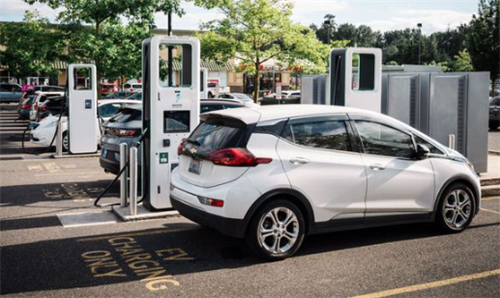
During hot summer months, extended exposure to high temperatures can significantly affect electric vehicle (EV) performance—especially driving range. Many EV owners have reported that after parking in the sun for a while, their vehicle’s range drops unexpectedly. So, is there a way to reduce heat-related battery stress and help maintain better range? One unconventional solution—wrapping the battery in a blanket—has caught attention. Here’s what testing shows.
Why Hot Weather Hurts EV Range?
Extreme heat affects EV range mainly due to how lithium-ion batteries react to high temperatures. The impact is twofold:
1. Battery Overheating
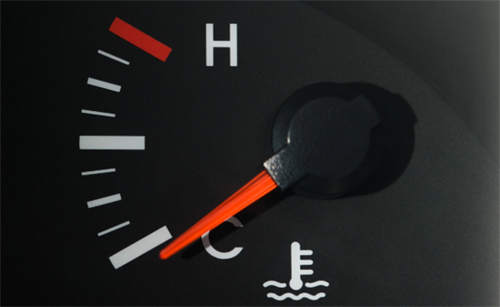
EV batteries operate best between roughly -20°C and 60°C. In very hot environments, internal chemical reactions accelerate, increasing heat buildup. This can reduce charging and discharging efficiency. Over time, heat also accelerates battery degradation, leading to faster capacity loss and shorter range.
2. BMS (Battery Management System) Current Limiting
Modern EVs have protective systems that limit current flow when the battery gets too hot, to prevent damage. That means even if your battery isn’t empty, your car might cut power output—drastically reducing range and performance.
So when your car is parked under the blazing sun, heat builds up, the battery temperature rises, and both performance and driving distance can take a hit.
The Blanket-Wrapped Battery Trick: Field Test
To counteract heat, some EV owners and DIY enthusiasts have tried a simple fix: wrapping the battery in a cotton blanket to insulate it from heat buildup during sun exposure. We tested the method to see if it really works.
Test Setup:
1. Choosing the Blanket
We used a regular cotton quilt—large enough to cover key battery areas and soft enough to conform to the shape of the car’s undercarriage or battery casing.
2. Simulated Hot Weather
The test was performed outdoors under direct sunlight with ambient temperatures above 35°C (95°F). The car was left stationary for 4 hours, with hourly readings taken for battery temperature and estimated range.
3. Control Group
We tested two cars: one with the blanket-wrapped battery and one parked normally with no protection.
Results: Does It Work?
1. Battery Temperature
After 4 hours of exposure, the battery on the unwrapped car reached over 50°C (122°F). The wrapped battery, however, peaked around 40°C (104°F). While still hot, the blanket significantly slowed heat buildup.
2. Driving Range
The unprotected EV experienced about a 15% drop in estimated range, while the blanket-protected vehicle only dropped by 8%. The blanket didn’t eliminate performance loss—but it did reduce it.
3. Battery Health
Keeping the battery temperature lower also helps minimize long-term wear. This simple insulation trick might not be high-tech, but it could help extend battery life and preserve range over time.
Pros and Cons of the Blanket Method:
Pros:
1. Simple & Practical: No special equipment required. Most people have a spare quilt or thermal mat at home.
2. Low Cost: Much cheaper than purpose-built heat shields or aftermarket thermal wraps.
3. Effective in Hot Weather: As shown in testing, it can reduce battery heat buildup and soften the impact of high temperatures on performance.
Cons:
1. May Block Airflow: Wrapping the battery can interfere with natural ventilation. Prolonged use without airflow might create other problems.
2. Not Visually Appealing: For EV owners who care about aesthetics, a blanket sticking out from under the car may not be ideal.
Conclusion
Our test shows that wrapping an EV battery with a cotton blanket can help mitigate the effects of heat exposure—at least in the short term. While not a perfect solution, it’s a practical and cost-effective trick to preserve battery performance on extremely hot days. That said, owners should be cautious not to fully seal the battery area or obstruct cooling systems, especially during long-term use.
Recommended for you