The Secret Behind Tire Tread Design: Drainage Grooves and Noise-Reducing Foam Hidden in Fluid Dynamics
Among the many components of a car, tires are the ones that make the most direct contact with the road. They not only bear the vehicle’s weight but also endure various challenges posed by the road surface, weather, and driving conditions. Tire design plays a crucial role in driving safety, comfort, and performance — and one of the most important aspects is the tread pattern. The mystery of tire tread design often lies in fluid dynamics principles, where the drainage grooves and noise-reducing foam are especially vital, directly affecting water evacuation, noise control, and driving smoothness.
The Role and Basic Structure of Tire Tread:
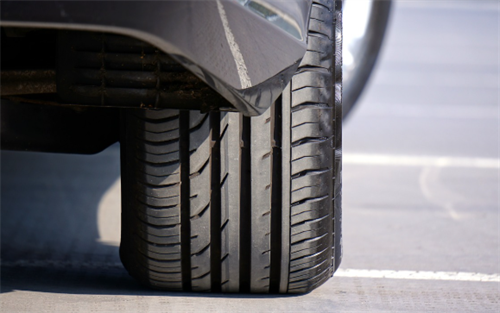
Tire tread refers to the detailed pattern on the tire’s surface, typically composed of multiple longitudinal and transverse grooves. These grooves not only define the tire’s appearance but also significantly impact its performance. The main functions of tire tread include drainage, enhancing grip, improving driving stability, reducing noise, and extending tire lifespan. The tread design greatly influences a vehicle’s performance across different road and weather conditions.
One of the most essential elements of the tread design is the drainage groove. Its design directly affects the tire’s ability to channel water away and maintain traction on wet surfaces. Additionally, with technological advancements, some high-end tires incorporate special materials like noise-reducing foam. These features not only improve comfort and reduce noise but also involve fluid dynamics principles, demonstrating the interaction between tires, air, and water flow during driving.
Drainage Groove Design and Fluid Dynamics:
Drainage grooves are the most critical part of tire tread design, especially in rainy or slippery conditions. A well-designed drainage system effectively prevents hydroplaning, thereby ensuring vehicle stability and safety. The groove design must consider not only efficient water evacuation but also airflow and friction forces — a complex interplay governed by fluid dynamics.
Hydroplaning occurs when a thin layer of water forms between the tire and the road surface, causing a loss of grip. If drainage grooves are poorly designed and cannot expel water quickly, the tire loses contact with the road, increasing the risk of skidding. To avoid this, tire engineers optimize the width, depth, distribution, and angle of grooves based on fluid dynamics principles, ensuring smooth water flow and preventing water buildup.
Fluid dynamics also plays a crucial role in the airflow distribution when the tire contacts the road. Optimizing groove design improves water drainage and reduces air resistance, enhancing fuel efficiency and driving stability. For example, carefully angled grooves guide water along specific paths, minimizing friction between water and tire surface and reducing noise and vibration.
Noise-Reducing Foam and Noise Control:
Beyond drainage grooves, the use of noise-reducing foam is another innovation in modern tire design. This foam is a unique acoustic material integrated into the tire’s interior to help dampen and reduce noise. Its design is closely related to fluid dynamics, particularly in managing airflow and vibration.
When driving at high speeds, friction between the tire and the road generates noise, which can be especially noticeable on dry surfaces. Noise-reducing foam absorbs and dissipates the energy from these vibrations and air impacts, decreasing the noise produced by air and tire contact. The foam’s porous structure enables it to effectively absorb sound waves, reducing noise both inside and outside the vehicle.
The addition of noise-reducing foam not only enhances driving comfort by lowering noise levels for drivers and passengers but also helps reduce environmental noise pollution. Its effects are particularly noticeable on highways and city streets.
Fluid Dynamics Wisdom Behind Tire Tread Design:
From drainage grooves to noise-reducing foam, fluid dynamics principles permeate every aspect of tire tread design. Designers use precise calculations and simulations to optimize water drainage, minimize frictional resistance, and control noise levels, ultimately improving vehicle safety and comfort.
Designing drainage grooves involves balancing water flow, airflow, and friction forces, while noise-reducing foam lowers noise by absorbing vibration energy. These designs rely not only on fundamental fluid dynamics but also require considering road conditions, climate variations, and driving needs. Therefore, tire tread design is far more than aesthetics or simplicity — it is a sophisticated integration of physics, fluid mechanics, and engineering expertise.
Recommended for you