Flash Flood Car Escape Guide: Break the Window Corner or Exit Through the Sunroof
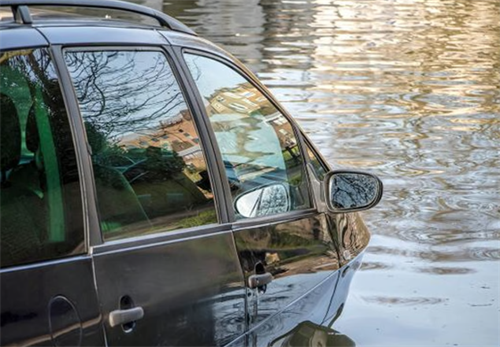
During heavy rains, urban streets, tunnels, and underpasses can flood quickly—sometimes turning into dangerous, fast-rising waters. Drivers may unexpectedly find themselves trapped in a flooded vehicle. In such emergencies, staying calm and knowing the correct escape techniques can be life-saving.
Step 1: Prepare Before Entering a Flood Zone
Before heading out in stormy weather, check the forecast and road conditions. Avoid driving during heavy rain if possible. If you’re already on the road, steer clear of low-lying areas, tunnels, and deep puddles.
If your car gets stuck in water, remain calm and assess your surroundings immediately. Every second counts, and the right response can make all the difference.
Step 2: Break a Window at the Corner to Escape
If your car becomes submerged or surrounded by rising water, your top priority is to get out of the vehicle quickly. Modern car windows are made from reinforced glass, which is tough but not unbreakable. In emergencies, breaking a window is often the fastest way to escape—especially when water pressure prevents doors from opening.
Focus on striking the corners of the window, particularly the lower edge, which is structurally weaker.
Avoid hitting the center of the glass—it’s much harder to break.
If you don’t have a dedicated window-breaking tool, use any available hard object: a safety hammer, the metal prongs of a headrest, or another sturdy item from the car.
Once the window is shattered, climb out swiftly—head and arms first. If water isn’t too deep, swim or wade to the nearest safe location. If the current is strong or the water is high, look for floating objects or parts of the vehicle that can help you stay buoyant as you move to safety.
Step 3: Exit Through the Sunroof When Possible
In many cases, the sunroof offers a safer and quicker escape route, especially when the water level rises rapidly.
First, check if the sunroof is still above water and try to open it using the control button.
If the electronic controls fail, break the sunroof manually using a safety hammer or another blunt object.
Escaping through the sunroof has several advantages:
It allows you to stay on top of the vehicle, giving you more time and better visibility.
It’s often easier to access, especially when doors and windows are jammed.
It helps you avoid rushing water entering from the lower parts of the car.
Stay as calm as possible while exiting and head to higher ground or a safe location as soon as you're out.
Step 4: What to Do After Escaping
Move away from flooded areas: Head to higher ground and avoid areas with fast-moving water or submerged roads.
Seek help: Call emergency services or alert nearby rescue teams. Let them know your exact location.
Don’t go back: Never return to the flooded vehicle or attempt to cross deep water on foot—it may be deeper or more dangerous than it appears.
Stay calm: Keep yourself and others composed. Panic can lead to poor decisions in critical moments.
Step 5: Key Prevention Tips for Rainy Weather Driving
Avoid flooded roads: Plan ahead by checking weather alerts and local road conditions.
Maintain your vehicle: Regularly inspect your car’s brakes, tires, and drainage systems to reduce the risk of malfunction in extreme weather.
Keep emergency tools on board: Equip your car with essential safety items like a window breaker, waterproof bags, flashlight, and first aid kit.
Final Thoughts
Driving in heavy rain poses serious challenges, but preparation and knowledge can greatly increase your safety. If you're ever trapped in rising water, using the correct escape techniques—like breaking the window at the corner or climbing out through the sunroof—can give you the best chance of survival.
Recommended for you