Tire Bulge Self-Check Guide: Feel This Spot Before Hitting the Highway—It Could Save Your Life
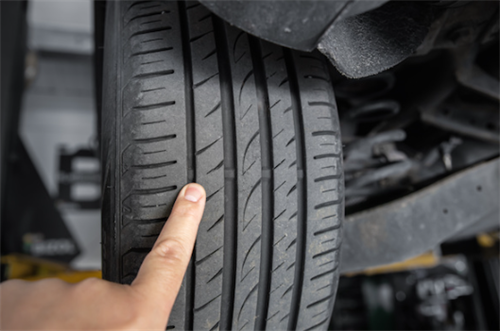
When driving at high speeds on the highway, even the smallest hidden issue can turn into a serious safety hazard. Among all vehicle components, tires play a critical role—they're the only contact point between your car and the road. One often-overlooked danger is a tire bulge, which, if it fails while you're driving fast, could lead to catastrophic consequences. That’s why checking your tires—especially for bulges—should be part of your pre-trip routine every time you plan a long drive.
What Is a Tire Bulge?
A tire bulge is a visible bump or bubble that appears on the surface of the tire, usually caused by internal damage or abnormal pressure. It’s usually caused by hitting something hard—like a pothole or curb—or from internal damage to the tire’s structure, such as broken cords or weakened sidewall layers.At highway speeds, heat and stress can worsen the condition. A bulged tire has compromised structural integrity and poses a high risk of a blowout, which can cause the driver to lose control of the vehicle.
Why Is a Tire Bulge So Dangerous?
1. Increased risk of blowout: The bulging area is under extra strain and is structurally weaker. When the tire is exposed to high pressure or impact, the bulged section can rupture suddenly, especially at high speeds—leading to tire blowouts and potential accidents.
2. Reduced vehicle stability: A tire bulge throws off the tire’s balance and shape, affecting how the car handles and responds. You may notice the vehicle pulling to one side or vibrating more, which becomes more dangerous the faster you drive.
3. Faster tire wear and aging: A bulged tire wears unevenly, which can shorten its lifespan and increase the likelihood that you’ll need to replace it sooner—costing you time and money.
How to Check for Tire Bulges?
1. Visually inspect each tire: Position yourself next to the vehicle and carefully inspect both the tread and the sidewalls of the tire. A healthy tire surface should be smooth and even. If you notice any odd bumps, irregular bulges, or deformations, it could indicate a developing bulge.
2. Run your hands over the tire: Slowly feel the surface of the tire with your hand. Sometimes, a bulge is easier to feel with your hand than to see with your eyes. Any unexpected raised area or uneven texture should be investigated further.
3. Pay extra attention to the sidewalls: Bulges are more likely to appear on the tire’s sidewall than on the tread. This is especially true after impacts, curbing, or rough road conditions. Always inspect the sidewalls carefully—these areas are under a lot of stress.
4. Tap the tire gently: Lightly tap various parts of the tire with your fingers. A section that feels or sounds “hollow” or different from the rest may be internally damaged or already bulging.
5. Check your tire pressure: Improper inflation (whether over- or under-inflated) increases the risk of bulges. Make sure each tire is filled to the pressure level specified by the manufacturer before you start driving.
What to Do If You Find a Tire Bulge?
1. Replace the tire immediately: Driving on a bulged tire is extremely risky. Have it replaced right away, either yourself (if safe to do so) or by calling for roadside assistance.
2. Avoid high-speed or long-distance driving: If immediate replacement isn’t possible, minimize risk by driving only at low speeds and for short distances.
3. Make tire checks a regular habit: Don’t wait for problems to appear. Make it a routine to inspect your tires for bulges, cracks, worn tread, and proper air pressure—especially prior to long drives.
Final Thoughts
A tire bulge might seem like a minor issue, but it can be a life-threatening hazard—especially at highway speeds. That’s why every driver should take a moment to inspect their tires before getting on the road. Spotting a bulge in time could prevent an accident and protect both you and others on the road. In the world of car safety, a few minutes of caution can save a lifetime of regret.