The First Car Only Reached 8 km/h! Slower Than Walking, This “Iron Beast” Marked a New Era
From Teslas on global highways to high-performance F1 race cars on the track, the rapid evolution of automobiles has become a defining feature of modern life. But when we look back at the origins of the automobile, the speed of the very first car might come as a surprise—it could only reach 8 km/h, slower than a brisk walk. Despite its snail-like pace and massive, clunky design—which earned it the nickname “iron beast”—this primitive vehicle marked the dawn of the automotive age.
The Birth of the First Car:
The story of the modern automobile began in the late 19th century, thanks to German engineer Carl Benz, one of the pioneers of automotive engineering. In 1885, Benz designed and built what is widely considered the first automobile: the Benz Patent-Motorwagen. This invention represented a leap from horse-drawn carriages and walking to mechanical transportation.
However, the Motorwagen looked nothing like the sleek vehicles we know today. It featured a three-wheel design, a wooden and steel chassis, and was powered by a single-cylinder 0.75-liter four-stroke engine that generated only 0.75 horsepower.With such modest power, its top speed was only 8 kilometers per hour.
Slower Than Walking: The “Iron Beast”
For context, the average walking speed ranges from 4 to 6 km/h, meaning this first car was just slightly faster than going on foot. On the bumpy, unpaved roads of the time, its speed seemed even less impressive. And given its bulky mechanical build, operating it safely required great care.
Despite being a technological breakthrough, the public response was far from enthusiastic. Many people were fearful and skeptical, seeing the car as a noisy, dangerous contraption. In some places, locals even called it the “devil’s machine,” concerned that it might disrupt traditional ways of life and social order.
Yet, it was this slow, awkward "iron beast" that changed the world. It signaled a fundamental shift in how humans moved—laying the foundation for what would become the global auto industry.
A Turning Point in Technology:
The Benz Patent-Motorwagen, with its humble 8 km/h top speed, provided the base upon which future innovations were built. Over time, cars evolved from three-wheeled curiosities to four-wheeled machines, transitioned from steam to internal combustion engines, and rapidly increased in speed and reliability.
Carl Benz’s creation inspired a wave of inventors and engineers across the world. Within a few decades, automotive technology advanced rapidly. By the early 20th century, Ford’s Model T brought mass production and affordability to the auto market, turning the car from a luxury item into a household necessity. Speed, comfort, and safety all saw major improvements.
From Crawling to Racing: The Evolution of Speed
That initial 8 km/h speed was a humble beginning, but it provided a powerful reminder of how far technology can come. Today’s cars can travel at more than 400 km/h, a far cry from their early ancestors. Advances in electrification, automation, and intelligent systems have redefined not just speed, but also safety, sustainability, and user experience.
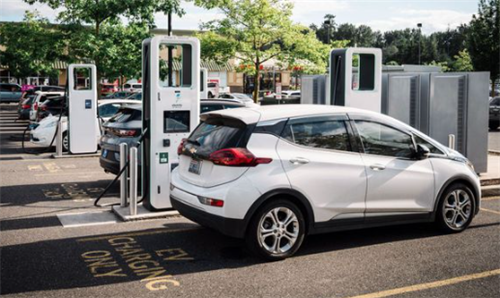
Take the Tesla Model S, for example—it can accelerate from 0 to 100 km/h in under 3 seconds, thanks to cutting-edge battery and drive technology. Or consider the Bugatti Chiron, a supercar that reached a record-setting 490 km/h, making it one of the fastest production cars in the world.
These feats of engineering remind us just how far the automobile has come—and how it all began with a noisy, three-wheeled “iron beast” inching along at 8 km/h.
Recommended for you