Using Your Car’s AC Wrong Could Burn 50% More Fuel? Here’s the 3-Minute Hack to Cool Down Fast
During the sweltering summer months, air conditioning becomes an essential part of the driving experience. It keeps us cool, comfortable, and focused on the road. However, many drivers overlook the impact that improper AC usage can have on fuel consumption. In fact, using your AC the wrong way could increase fuel consumption by up to 50%.
How AC Affects Fuel Efficiency?
To understand why, it’s important to know how your car’s air conditioning works. The AC system relies on a compressor that's powered by the engine. When you turn on the AC, your engine has to work harder—not just to move the car but also to run the compressor. This extra load increases fuel usage.
Tests show that running the AC on highways can raise fuel consumption by 10% to 20%. In city traffic, where stop-and-go driving is frequent, the increase can be as much as 30%. And if you’re using the AC inefficiently, that number can climb even higher—up to 50% more fuel burned than usual. That’s a steep price to pay, especially with fuel prices on the rise.
Common AC Mistakes That Waste Fuel:
1. Turning on the AC before cooling down the car
Many drivers switch on the AC the moment they get in, even when the cabin feels like an oven. But starting the AC in such a high-heat environment forces the compressor to work overtime, spiking fuel use. This is even worse if the temperature is set too low, making the system work harder to reach that target.
2. Running the AC with the windows open
Some drivers run the AC while leaving the windows cracked or fully open. This allows hot air to enter and cool air to escape, which forces the AC to work harder and longer. It’s essentially fighting a losing battle, and your fuel gauge pays the price.
3. Setting the temperature too low
Setting the AC to its lowest temperature may feel great in the moment, but it uses a lot more energy—and fuel—to maintain that chilly environment.
Smart Ways to Use Your AC and Save Fuel:
1. Vent first, cool later: When you first enter the car, roll down the windows for a minute or two to let the trapped hot air escape. Once the temperature drops a bit, close the windows and turn on the AC. This eases the burden on the system and cuts fuel use.
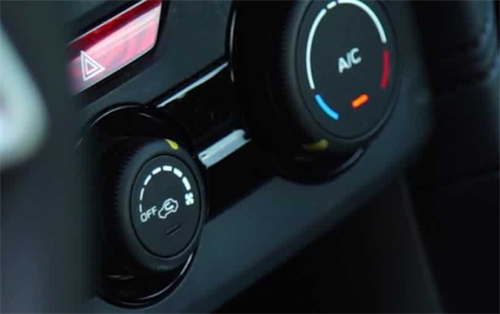
2. Use recirculation mode: Most cars offer a recirculation (or "recirc") setting that cools down the cabin faster by recycling the air inside the car. This mode is especially helpful on hot days, as it blocks out hot outside air. Once the interior reaches a comfortable temperature, you can switch back to fresh air mode to keep things ventilated.
3. Set a moderate temperature and fan speed: A cabin temperature between 24°C to 26°C (75°F to 79°F) is typically comfortable and fuel-efficient. Likewise, avoid blasting the fan at maximum speed for long periods—moderate airflow gets the job done while saving energy.
4. Use sunshades or window tints: Before parking, place reflective sunshades in your windows or install UV-blocking tints. These keep your car cooler when parked, reducing how hard your AC has to work once you return.
5. Maintain your AC system: Regular maintenance matters. A clogged air filter, dirty condenser, or worn-out components can all reduce AC efficiency. Have your system checked regularly to ensure it runs smoothly and doesn’t drain excess fuel.
Final Thoughts
Air conditioning can significantly affect your car’s fuel efficiency—especially in hot weather. But the good news is, by making a few simple adjustments to your habits and system settings, you can stay cool without burning extra fuel. Comfort and savings don’t have to be at odds when you use your AC wisely.
Recommended for you